
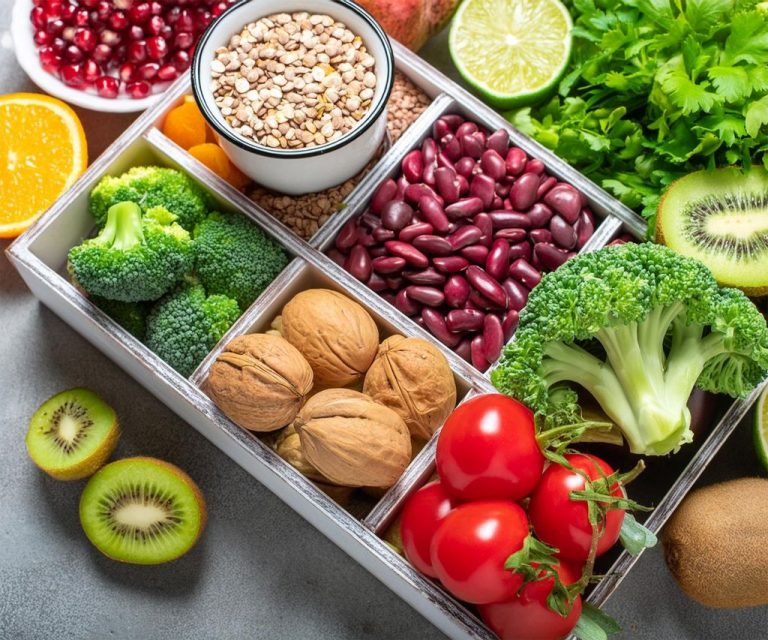
Managing irritable bowel syndrome (IBS) can be challenging, especially when it comes to dietary choices. One crucial aspect is understanding how to get enough fiber with IBS. Fiber plays a significant role in digestive health, but not all types of fiber are suitable for everyone with IBS. This article explores the role of fiber, the differences between soluble and insoluble fiber, and how to incorporate them into your diet effectively.
Fiber is an essential component of a healthy diet, playing a critical role in maintaining digestive health. For individuals with irritable bowel syndrome (IBS), fiber can be both a friend and a foe. The right type and amount of fiber can help manage symptoms such as constipation and diarrhea, common in IBS. According to research, fiber can influence gut health by modulating the gut microbiota and improving intestinal barrier function. This is particularly important for IBS patients, as gut microbiota imbalance is a known contributor to the condition. However, not all fiber is created equal, and the type of fiber consumed can significantly impact IBS symptoms. Soluble fiber, which dissolves in water to form a gel-like substance, is generally more beneficial for IBS patients compared to insoluble fiber, which adds bulk to the stool. Soluble fiber can help regulate bowel movements and reduce bloating, a common complaint among those with IBS. It’s important to note that while fiber can be beneficial, introducing it too quickly or in large amounts can exacerbate symptoms. Therefore, a gradual approach to increasing fiber intake is recommended to allow the digestive system to adjust. This careful management of fiber intake can lead to improved symptom control and overall better quality of life for those with IBS.
Understanding the difference between soluble and insoluble fiber is crucial for managing IBS effectively. Soluble fiber dissolves in water, forming a gel-like substance that can help slow digestion and improve stool consistency. This type of fiber is particularly beneficial for IBS patients, as it can help manage both constipation and diarrhea by regulating bowel movements. Foods rich in soluble fiber include oats, apples, citrus fruits, and beans. On the other hand, insoluble fiber does not dissolve in water and adds bulk to the stool, which can help with constipation but may exacerbate symptoms like bloating and abdominal pain in some IBS patients. Sources of insoluble fiber include whole grains, nuts, and vegetables like broccoli and carrots. For those with IBS, it’s often recommended to focus on increasing soluble fiber intake while being cautious with insoluble fiber. A low FODMAP diet, which limits certain types of carbohydrates that can cause digestive distress, often emphasizes soluble fiber sources. It’s important to remember that individual responses to fiber can vary, and what works for one person may not work for another. Therefore, keeping a food diary and monitoring symptoms can help identify the best fiber sources for your specific needs.
Incorporating high-fiber foods that are gentle on the digestive system is key to managing IBS symptoms effectively. Soluble fiber-rich foods are generally more IBS-friendly and can be included in a balanced diet. Oats are an excellent source of soluble fiber and can be easily incorporated into meals as oatmeal or added to smoothies. Apples and pears, with their skin removed, provide soluble fiber and are less likely to trigger IBS symptoms. Citrus fruits like oranges and grapefruits are also good options, offering both fiber and essential vitamins. Legumes such as lentils and chickpeas can be beneficial, but they should be introduced gradually to avoid bloating. Ground flaxseeds are another great source of soluble fiber and can be sprinkled on yogurt or salads. Vegetables like carrots, zucchini, and sweet potatoes are generally well-tolerated and provide a good amount of fiber. It’s important to prepare these foods in a way that reduces the risk of triggering symptoms, such as cooking vegetables thoroughly and peeling fruits. By focusing on these IBS-friendly high-fiber foods, individuals can improve their digestive health while minimizing discomfort.
Increasing fiber intake gradually is essential for individuals with IBS to avoid exacerbating symptoms. A sudden increase in fiber can lead to bloating, gas, and abdominal discomfort. To prevent these issues, it’s recommended to start with small amounts and slowly increase the intake over several weeks. Begin by adding a small serving of a high-fiber food, such as a tablespoon of ground flaxseeds or a half-cup of cooked oats, to your daily diet. Monitor your body’s response and adjust the amount as needed. Drinking plenty of water is also crucial when increasing fiber intake, as fiber absorbs water and helps move it through the digestive system. Staying hydrated can prevent constipation and support overall digestive health. Additionally, spreading fiber intake throughout the day rather than consuming it all at once can help the digestive system adjust more comfortably. Keeping a food diary can be a helpful tool to track fiber intake and identify any foods that may trigger symptoms. By taking a gradual approach and paying attention to your body’s signals, you can increase fiber intake effectively and improve IBS management.
Fiber supplements can be a useful addition for individuals with IBS who struggle to get enough fiber from their diet alone. These supplements are available in various forms, including powders, capsules, and chewable tablets, and can provide a convenient way to increase fiber intake. Soluble fiber supplements, such as psyllium husk, are often recommended for IBS patients as they can help regulate bowel movements and reduce symptoms like constipation and diarrhea. It’s important to choose a supplement that is well-tolerated and does not contain additives that could trigger IBS symptoms. Before starting any supplement, it’s advisable to consult with a healthcare provider to ensure it’s appropriate for your specific needs and to discuss the correct dosage. Fiber supplements should be introduced gradually, similar to dietary fiber, to prevent digestive discomfort. While supplements can be beneficial, they should not replace a balanced diet rich in natural fiber sources. Instead, they can be used to complement dietary efforts and help achieve the recommended daily fiber intake for optimal digestive health.
Certain foods can exacerbate IBS symptoms and should be limited or avoided to manage the condition effectively. High-FODMAP foods, which contain fermentable carbohydrates, are known to trigger symptoms like bloating, gas, and diarrhea in many IBS patients. These include foods such as onions, garlic, wheat, and certain fruits like apples and pears. Additionally, foods high in insoluble fiber, such as whole grains and nuts, can be problematic for some individuals with IBS, leading to increased bloating and discomfort. Fatty and fried foods can also worsen symptoms by increasing intestinal permeability and triggering inflammation. It’s important to identify personal triggers, as IBS symptoms can vary widely among individuals. Keeping a food diary can help track which foods cause symptoms and guide dietary choices. While it may be necessary to limit certain foods, it’s crucial to maintain a balanced diet and ensure adequate nutrient intake. Consulting with a dietitian or healthcare provider can provide personalized guidance and support in managing IBS through dietary modifications.
It’s important to know when to seek medical advice for IBS management, especially if dietary changes and self-care strategies are not providing relief. Persistent or worsening symptoms, such as severe abdominal pain, significant changes in bowel habits, or unexplained weight loss, warrant a consultation with a healthcare provider. A doctor can help rule out other conditions that may mimic IBS, such as inflammatory bowel disease or celiac disease, and provide a comprehensive evaluation. Additionally, if you’re considering starting fiber supplements or making significant dietary changes, it’s advisable to discuss these plans with your doctor. They can offer guidance on appropriate fiber types and amounts, ensuring that your approach is safe and effective. Regular follow-ups with your healthcare provider can help monitor your condition and make necessary adjustments to your management plan. Remember, managing IBS is a collaborative effort, and your healthcare team is there to support you in achieving the best possible outcomes for your digestive health.
If you’re struggling to manage your IBS symptoms, consider scheduling an appointment with one of our specialists at Allied Digestive Health. Our team can provide personalized guidance and support to help you achieve better digestive health.
Nutrients – The Efficacy of Probiotics, Prebiotics, Synbiotics, and Fecal Microbiota Transplantation in Irritable Bowel Syndrome: A Systematic Review and Network Meta-Analysis.
https://pubmed.ncbi.nlm.nih.gov/38999862/
Nutrients – Intestinal Barrier Impairment, Preservation, and Repair: An Update.
https://pubmed.ncbi.nlm.nih.gov/39458489/
Nutrients – Prebiotics and Probiotics for Gastrointestinal Disorders.
https://pubmed.ncbi.nlm.nih.gov/38542689/
Nutrients – Constipation-Predominant Irritable Bowel Syndrome (IBS-C): Effects of Different Nutritional Patterns on Intestinal Dysbiosis and Symptoms.
https://pubmed.ncbi.nlm.nih.gov/37049488/
Nutrients – Efficacy of an Irritable Bowel Syndrome Diet in the Treatment of Small Intestinal Bacterial Overgrowth: A Narrative Review.
https://pubmed.ncbi.nlm.nih.gov/36014888/
For education only, not medical advice.

Please call our office to schedule an appointment.
Bronx Gastroenterology: (718)828-0100